
Introduction: The Dawn of Autonomous Intelligence
The year 2026 marks a pivotal moment in the evolution of artificial intelligence. Beyond the generative AI models that have captivated our attention, a new paradigm is rapidly emerging: Agentic AI. These aren't just sophisticated algorithms; they are autonomous agents capable of understanding complex goals, planning multi-step actions, executing tasks, and learning from their environments without constant human oversight. Imagine a digital workforce that not only generates content but actively manages projects, optimizes supply chains, or even provides personalized healthcare—this is the promise of Agentic AI.
As enterprises grapple with increasing complexity and the demand for hyper-efficiency, Agentic AI is poised to become the backbone of next-generation digital transformation. Gartner predicts that by 2028, 15% of day-to-day work decisions will be made autonomously through agentic AI, a significant leap from virtually none in 2024 [1]. This shift signifies more than just automation; it represents a fundamental change in how businesses operate, innovate, and create value.
What Exactly is Agentic AI?
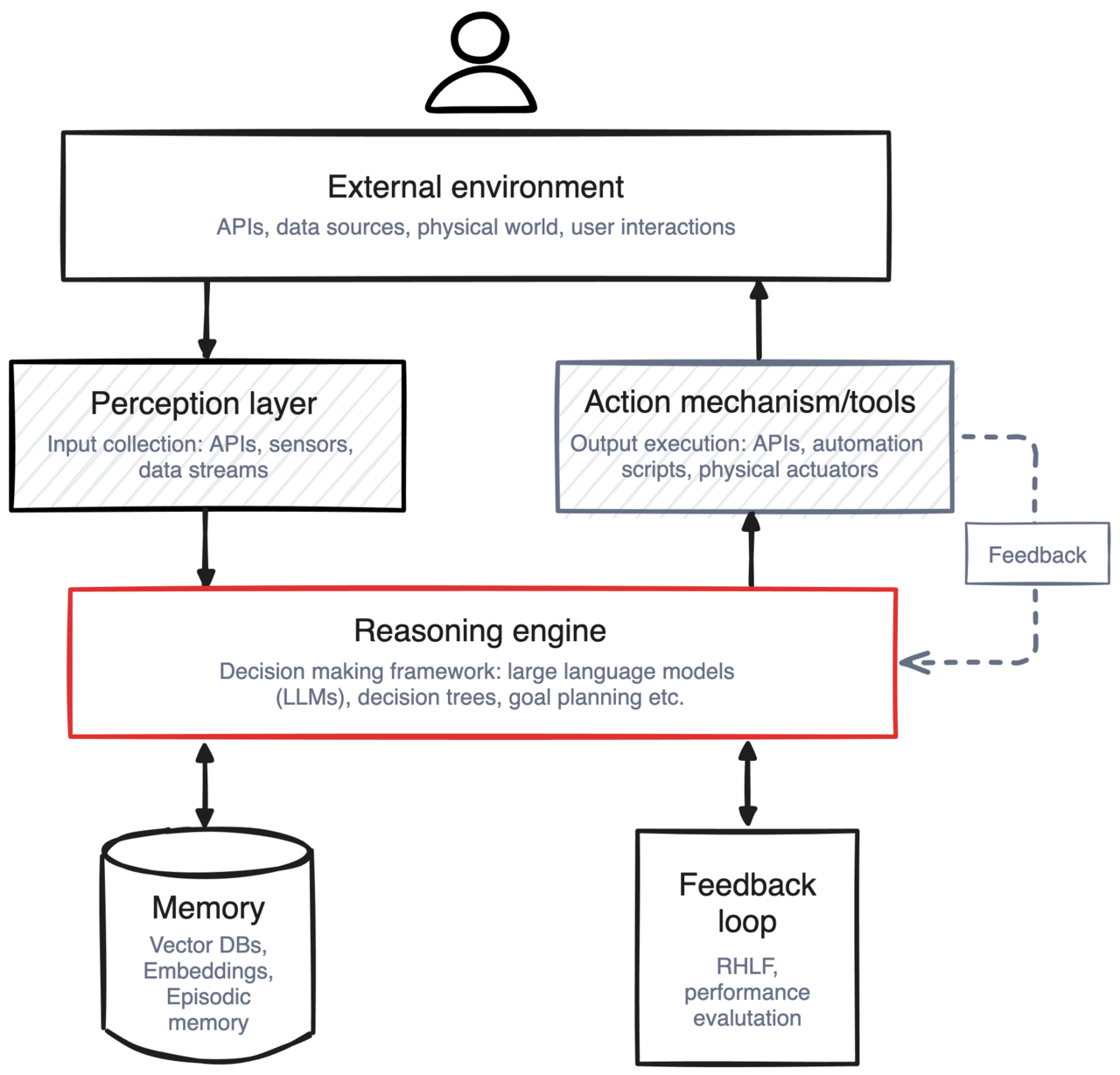
At its heart, Agentic AI refers to AI systems designed with a degree of autonomy, enabling them to perceive their environment, make decisions, and take actions to achieve specific goals. Unlike traditional AI, which often performs predefined tasks, agentic systems possess a more dynamic and adaptive nature. They are characterized by several key components:
- Perception Layer: Gather information from the environment (structured data, sensor inputs, or natural language).
- Reasoning Engine: The 'brain' responsible for processing information, understanding goals, and planning actions.
- Memory: Maintains short-term and long-term memory to learn and adapt over time.
- Action Mechanism/Tools: Interacts with the environment by executing actions (emails, database updates, robotics).
- Feedback Loop: Evaluates outcomes to refine strategies through reinforcement learning.
Key Trends Shaping Agentic AI in 2026
2026 is witnessing several transformative trends that are accelerating the adoption and sophistication of Agentic AI:
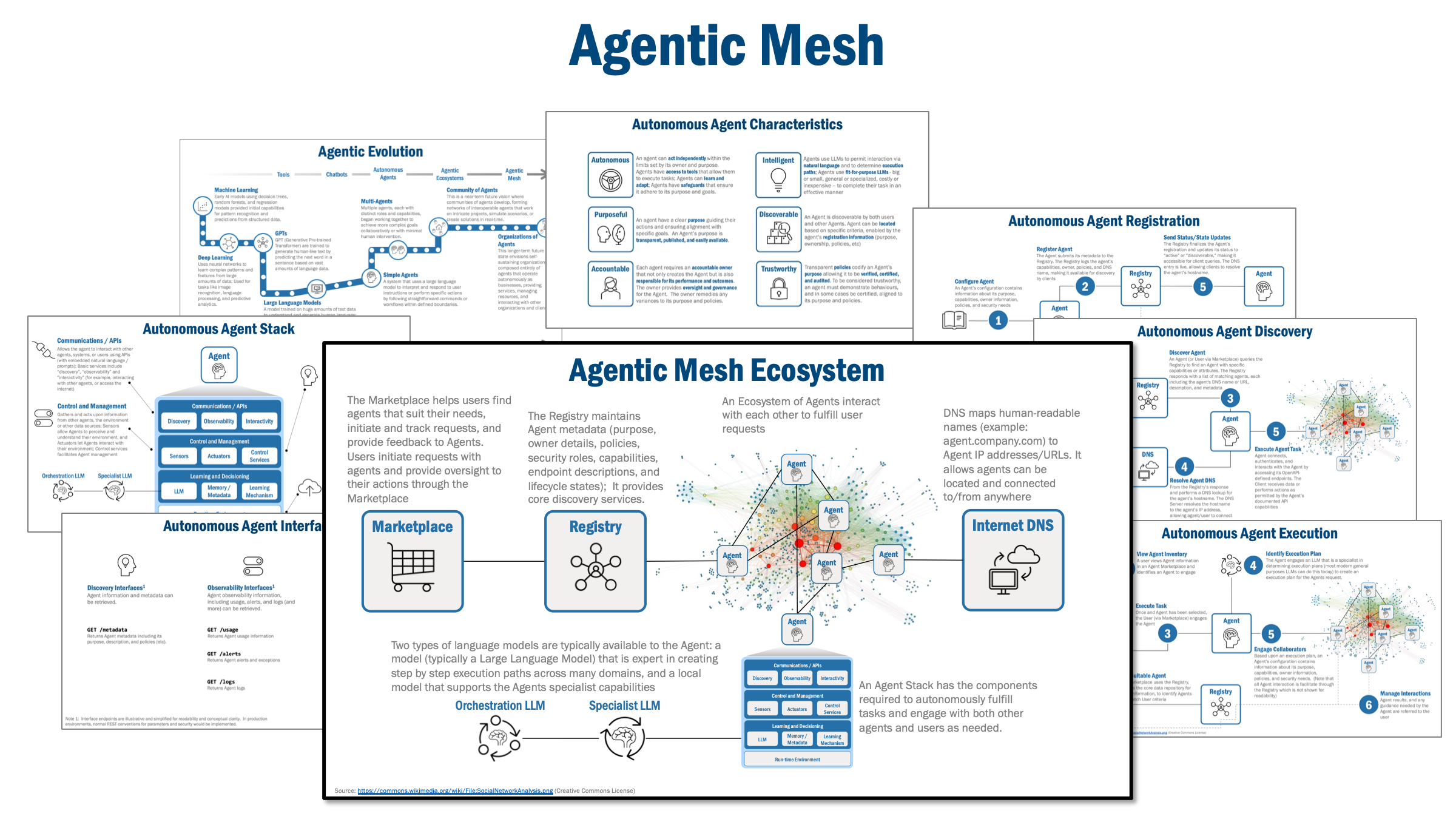
1. Multi-Agent Orchestration: The 'Microservices Moment' for AI
Just as microservices revolutionized software development, multi-agent orchestration is doing the same for AI. Instead of a single model, specialized AI agents work collaboratively to achieve complex objectives. This allows for greater flexibility and scalability.
2. From Assistive Tools to Autonomous Decision Engines
AI is evolving from merely assisting human operators to becoming autonomous decision-makers. This shift is particularly evident in financial trading, logistics, and advanced cybersecurity, where response speeds must exceed human capability.
3. Domain-Specific Models and Vertical Integration
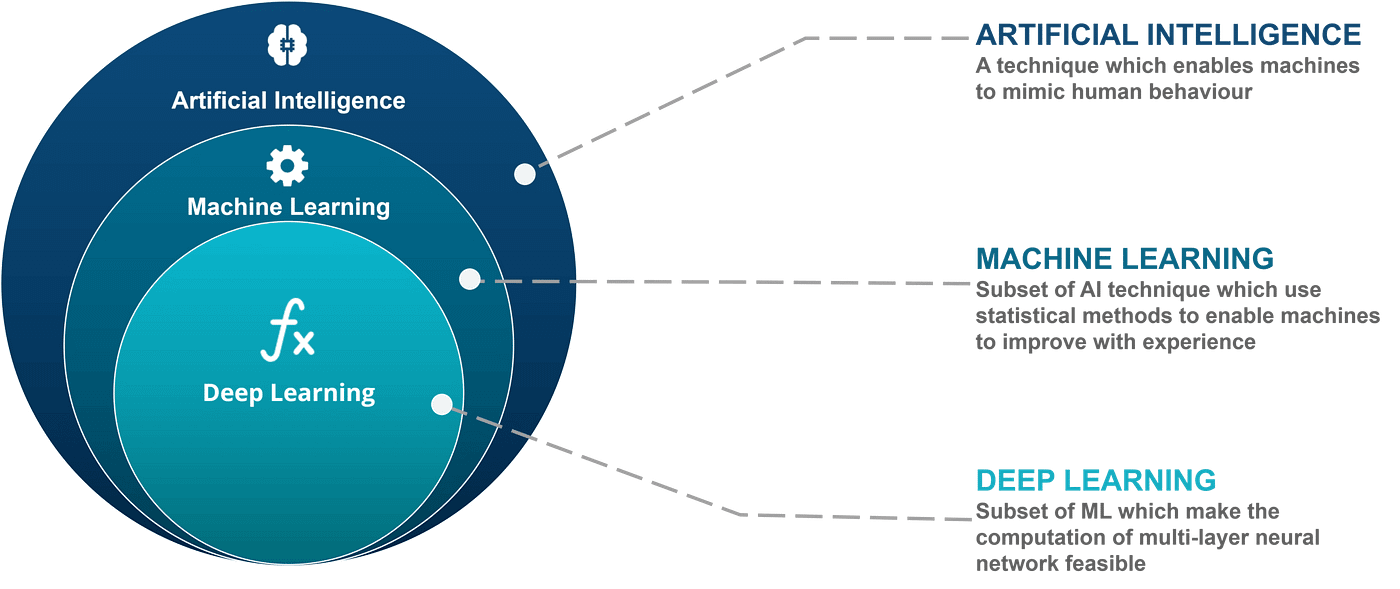
A significant trend in 2026 is the deployment of highly specialized agentic AI trained on industry-specific datasets (healthcare, finance, etc.), allowing for expert-level performance within specific verticals.
4. The Convergence of AI and Robotics: Physical AI
Often referred to as Physical AI, this convergence sees autonomous agents controlling robotic systems in manufacturing, automated warehouses, and surgical assistants.
Agentic AI in Action: Transforming Industries
Agentic AI is driving unprecedented levels of efficiency across various sectors.
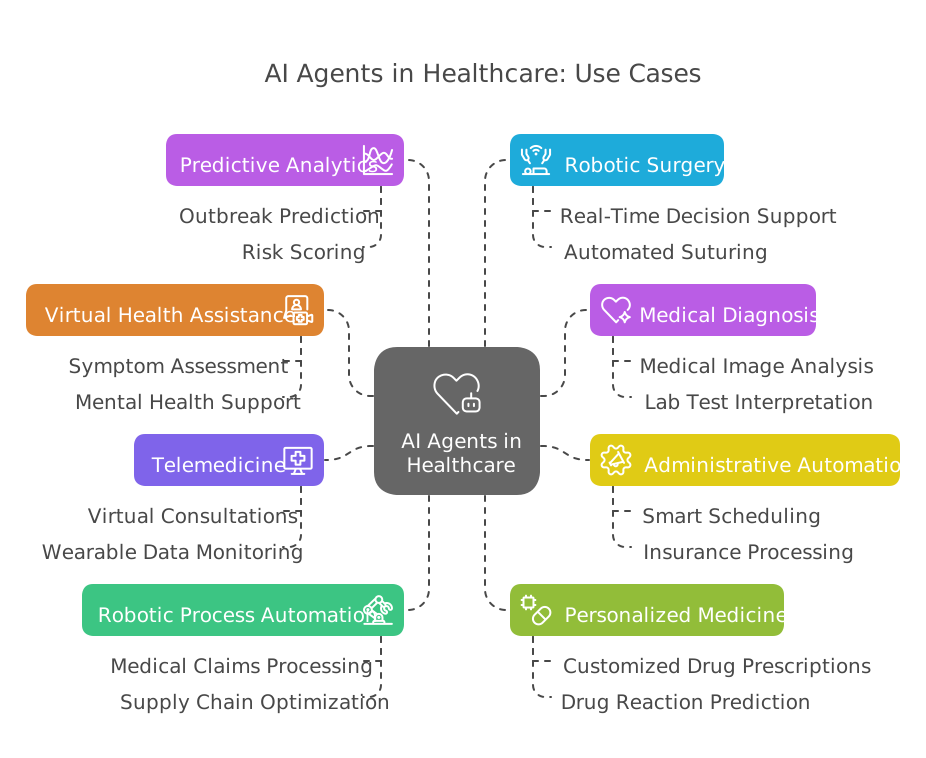
1. Healthcare: Revolutionizing Patient Care
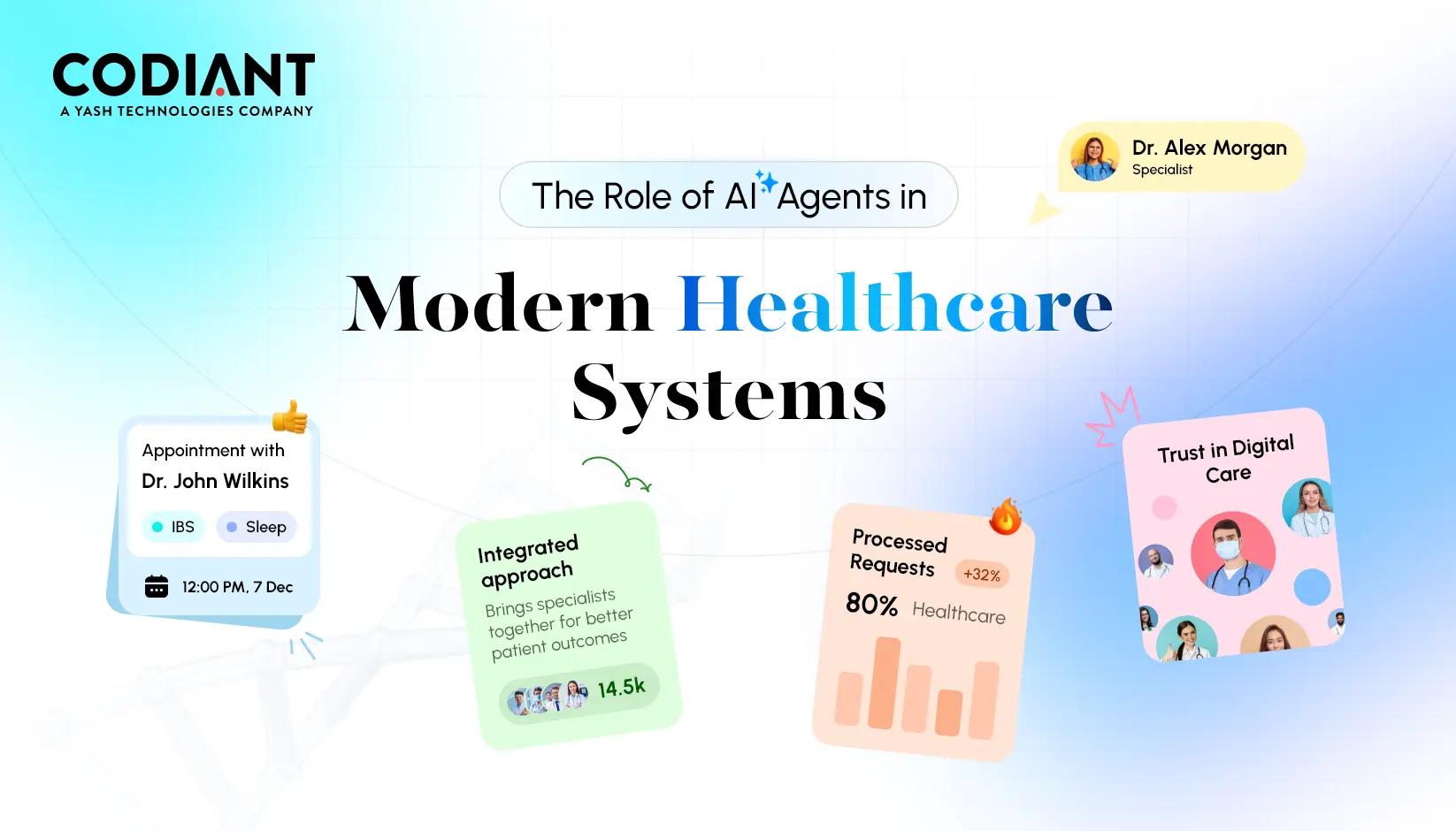
In healthcare, autonomous agents analyze vast amounts of medical data for early disease detection and personalized treatment plans.
- Diagnostic Assistance Agents
- Remote Patient Monitoring Agents
- Drug Discovery Simulations
2. Retail and E-commerce: Hyper-Personalization
Retail agents manage inventory in real-time and provide shoppers with personalized journeys.

The Road Ahead: Challenges and Considerations
The journey to full autonomy requires navigating several critical obstacles:
1. Ethical AI and Governance
Ensuring fairness and transparency in autonomous decision-making is paramount. Governance frameworks must address potential biases and accountability.
2. Security and Trust
Autonomy presents new vulnerabilities. Systems require secure communication protocols and robust authentication to prevent malicious exploitation.

3. Workforce Transformation
The rise of autonomous agents will create new roles focused on the supervision and design of AI agents. Upskilling is essential for this evolving landscape.
Frequently Asked Questions (FAQs)
What is the main difference between traditional AI and Agentic AI?
Traditional AI performs predefined tasks or provides insights. Agentic AI possesses autonomy, allowing it to plan actions and learn from its environment without constant human oversight.
How will Agentic AI impact jobs?
It will automate routine tasks while creating new positions in AI supervision and collaboration. Reskilling is necessary for the future workforce.
What is 'Physical AI'?
Physical AI is the convergence of AI agents with robotics, enabling intelligent control of hardware in the real world (e.g., manufacturing or autonomous vehicles).
Conclusion
Agentic AI represents a fundamental shift from AI as a tool to AI as an autonomous partner. Organizations that embrace agent-native design and robust governance will be best positioned to thrive in this era of autonomous intelligence.