

The world of computing is currently grappling with a significant challenge: rapidly escalating prices for Random Access Memory (RAM) and Solid State Drives (SSDs). This surge, often dubbed "RAMageddon" by industry observers, is impacting everything from consumer PCs and laptops to smartphones and enterprise-grade data centers. Understanding the multifaceted reasons behind this phenomenon and anticipating when prices might return to normal is crucial for consumers and businesses alike.
The Perfect Storm: Causes Behind the Price Hike
The current memory price surge is not a singular event but rather the confluence of several powerful market forces. The primary drivers can be categorized into supply-side constraints and unprecedented demand, particularly from the burgeoning Artificial Intelligence (AI) sector.
1. The Oligopoly of Memory Production
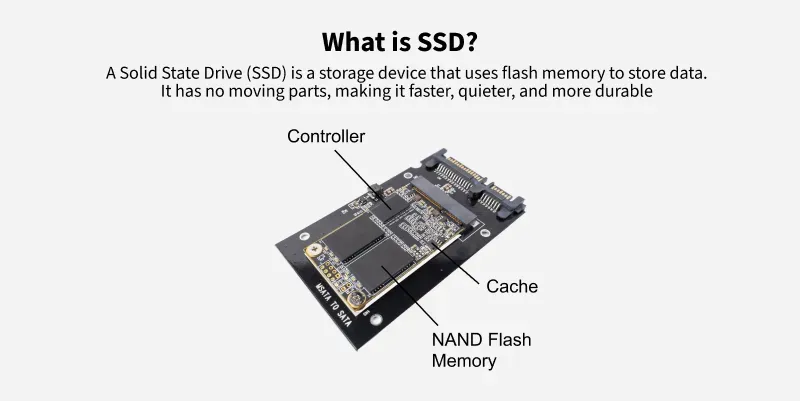
The DRAM (Dynamic Random-Access Memory) and NAND flash (the technology behind SSDs) markets are dominated by a handful of major manufacturers: Samsung Electronics, SK Hynix, and Micron Technology. These three companies collectively control approximately 95% of global DRAM production [1]. This oligopolistic structure means that production decisions by these few players have a profound impact on global supply and pricing. When these manufacturers prioritize certain segments or face production challenges, the ripple effect is felt worldwide.
2. Insatiable Demand from AI and Data Centers
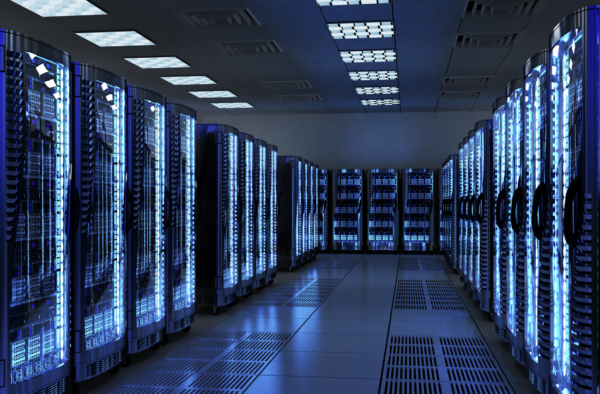
Perhaps the most significant factor driving the current price surge is the explosive growth of Artificial Intelligence. AI models, especially large language models and complex machine learning algorithms, require immense amounts of high-bandwidth memory (HBM) and high-capacity storage to function efficiently. Companies like OpenAI, Microsoft, and Google are investing trillions in AI infrastructure, leading to an unprecedented demand for memory chips [1] [2].
This enterprise-level demand is diverting a substantial portion of the available DRAM and NAND flash supply away from the consumer market. Data centers and hyperscalers are willing to pay premium prices to secure the memory needed for their AI initiatives, leaving less supply for traditional consumer electronics and driving up costs for everyone else. Some reports indicate that enterprise SSD prices are expected to rise by 53–58% quarter-over-quarter in Q1 2026 alone [3].
3. Production Challenges and Underinvestment
While demand has soared, the expansion of manufacturing capacity has not kept pace. Building new fabrication plants (fabs) for memory chips is an incredibly capital-intensive and time-consuming process, often taking several years from planning to full operation. Despite some commitments, such as Micron's reported $10 billion investment in a new DRAM facility, these new fabs are not expected to come online until 2028 [1].
Furthermore, the memory market has historically been cyclical, with periods of oversupply leading to price crashes and underinvestment in new capacity. The recent downturn in memory prices in 2023, for instance, led to reduced production and inventory adjustments, which has now exacerbated the current supply shortage as demand rapidly rebounded [4].
4. Geopolitical Factors and Supply Chain Vulnerabilities
Global supply chains remain susceptible to geopolitical tensions, trade policies, and unforeseen events. While not as prominent as AI demand, factors such as tariffs or regional disruptions can further strain the delicate balance of memory chip production and distribution, contributing to price volatility.
Impact on the Tech Landscape
The escalating prices of RAM and SSDs are having a broad impact across the technology sector:
- Consumer PCs and Laptops: The most immediate effect is on the cost of new computers. Analysts predict that rising memory prices could push PC prices up by 17% compared to 2025 levels, potentially leading to the disappearance of the sub-$500 entry-level PC market by 2028 [5]. Some PC manufacturers have already announced significant price increases [6].
- Smartphones and Gaming Consoles: Memory is a critical component in mobile devices and gaming systems. The price hikes are expected to make new smartphones more expensive and could even delay the release or increase the price of next-generation gaming consoles like the PlayStation 6 and Nintendo Switch 2 [1] [7].
- Enterprise and Cloud Services: While enterprises are driving much of the demand, they too face increased operational costs, which could eventually be passed on to consumers through higher service fees for cloud computing and other digital services.
When Will Prices Normalize? Historical Context and Future Outlook
The memory market is notoriously cyclical, characterized by boom and bust periods. Historically, price normalization occurs when supply catches up with demand, often driven by increased manufacturing capacity or a slowdown in demand growth. However, the current situation is unique due to the unprecedented scale of AI-driven demand.
Industry analysts and manufacturers offer varying predictions for when prices might stabilize:
- Late 2027 to 2028: Many experts, including those from SK Hynix and Micron, suggest that the memory market is unlikely to stabilize before late 2027 or even 2028. This timeline aligns with when new fabrication facilities are expected to become operational [1] [8].
- AI Bubble Burst: Some speculate that a significant downward correction in prices could occur sooner if the AI bubble bursts or demand for AI applications significantly slows down. However, this is a speculative scenario, and most projections do not anticipate a sudden collapse in AI demand in the near future [1].

Key Factors for Normalization:
- Increased Production Capacity: The most reliable path to price normalization is the commissioning of new memory fabrication plants and the expansion of existing ones. This will directly address the supply shortage.
- Maturation of AI Demand: As the AI market matures, the initial explosive growth in demand for specialized memory might stabilize, allowing for a more balanced distribution of supply.
- Technological Advancements: Innovations in memory technology that improve manufacturing efficiency or reduce the cost per bit could also contribute to price moderation.
Strategies for Consumers and Businesses
Given the current market conditions, both consumers and businesses need to adapt their strategies:
- Buy When Necessary: If an upgrade is critical, purchasing sooner rather than later might be advisable, as prices are expected to remain elevated for the foreseeable future [1].
- Consider Alternatives: For less critical applications, exploring alternatives like cloud storage or optimizing existing hardware might be a cost-effective solution.
- Monitor Market Trends: Staying informed about market analyses from reputable sources like TrendForce and industry news outlets can help in making timely purchasing decisions.
Conclusion
The current surge in RAM and SSD prices is a complex issue driven by a powerful combination of limited manufacturing capacity and unprecedented demand from the AI sector. While the market is expected to remain tight through 2027 and potentially into 2028, the long-term outlook suggests a gradual normalization as new production comes online and the AI market matures. Until then, consumers and businesses must navigate this challenging landscape with informed decisions and strategic planning.
Frequently Asked Questions (FAQs)
Q1: What is "RAMageddon"?
"RAMageddon" is a term coined by industry observers to describe the current period of rapidly escalating prices for RAM and SSDs, driven primarily by high demand from the AI sector and limited supply.
Q2: Why are AI and data centers causing such a significant impact on memory prices?
AI models require vast amounts of high-bandwidth memory (HBM) and high-capacity storage for processing and storing data. Data centers and hyperscalers are investing heavily in AI infrastructure, leading to a massive demand for these memory components, which diverts supply from the consumer market.
Q3: Are HDD prices also affected by this trend?
While the primary focus is on RAM and SSDs, the overall increase in storage demand, coupled with potential shifts in manufacturing priorities, can indirectly influence HDD prices as well. Some reports indicate a rise in hard drive prices alongside RAM and SSDs [9].
Q4: What can consumers do to mitigate the impact of rising prices?
Consumers can consider purchasing necessary upgrades sooner rather than later, as prices are expected to remain high. They can also explore optimizing existing hardware, utilizing cloud storage, or looking for deals on older generation components if compatible with their systems.
Q5: When is the earliest we can expect prices to return to normal?
Industry analysts generally predict that a significant normalization of RAM and SSD prices is unlikely before late 2027 or 2028, coinciding with the expected operational dates of new memory fabrication facilities. However, this timeline could shift based on changes in AI demand and global economic conditions.
References
- England, J. (2026, February 23). RAM prices keep going up — what is RAMageddon, and why is it getting worse? Tom's Guide. https://www.tomsguide.com/computing/ram-price-crisis-2026-everything-you-need-to-know
- Wccftech. (2026, February 9). Memory & NAND Prices Surged Over 90% In Q1 2026 & Another 20% Expected In Q2. https://wccftech.com/memory-nand-prices-surged-90-percent-in-q1-2026/
- TrendForce. (2026, February 2). Memory Price Outlook for 1Q26 Sharply Upgraded; QoQ Increases Across All Product Lines. https://www.trendforce.com/presscenter/news/20260202-12911.html
- Accio. (2026, February 14). ram prices trend over time. https://www.accio.com/business/ram-prices-trend-over-time
- Tom's Hardware. (2026, March 2). Entry-level PC market to 'disappear' by 2028 — rising memory prices pile more strain on consumer PC market. https://www.tomshardware.com/tech-industry/rising-memory-prices-pile-more-strain-on-consumer-pc-market
- Bisi.org.uk. (2026, January 5). Global RAM Shortage and Price Hikes: Causes, Consequences, and Market Outlook. https://bisi.org.uk/reports/global-ram-shortage-and-price-hikes-causes-consequences-and-market-outlook
- CNN Business. (2025, December 5). Phones might get pricier next year. Thank the AI boom. https://www.cnn.com/2025/12/05/tech/memory-shortage-phone-computer-prices
- Notebookcheck.net. (2025, December 16). DRAM crisis may last until 2028 – SK Hynix sees no quick recovery. https://www.notebookcheck.net/DRAM-crisis-may-last-until-2028-SK-Hynix-sees-no-quick-recovery.1187137.0.html
- YouTube. (2026, January 11). 2026 RAM & Storage Prices. https://www.youtube.com/watch?v=GzPN3Zpzusg