
Introduction
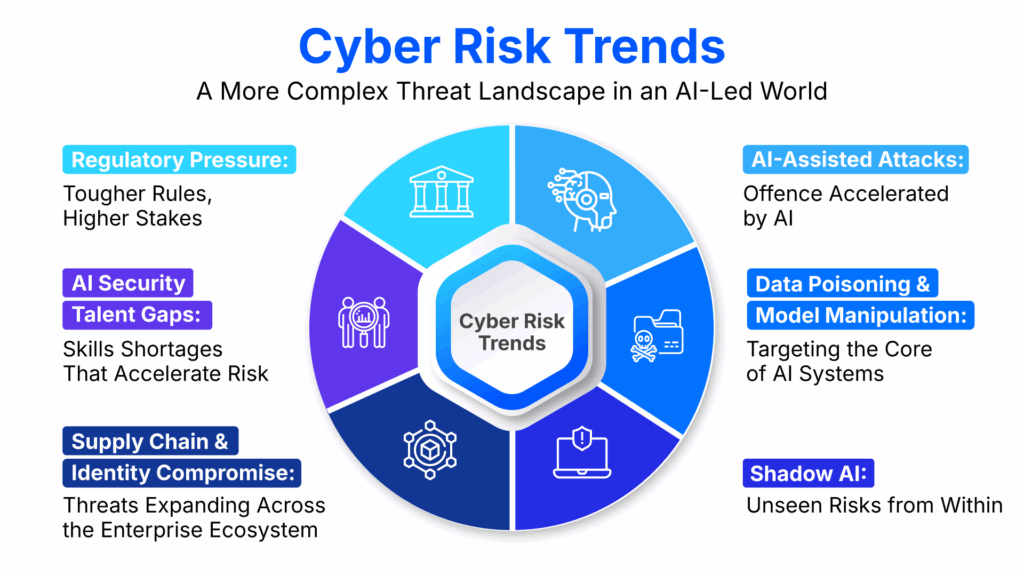
The artificial intelligence landscape is evolving at an unprecedented pace, marked by groundbreaking innovations, ambitious financial ventures, and strategic geopolitical manoeuvres. This blog post delves into three pivotal developments currently reshaping the AI world: Anthropic’s powerful new "Mythos" model, which has ignited debates over AI’s cybersecurity implications; OpenAI’s bold financial projections and the introduction of a premium subscription tier; and Alibaba’s significant strides towards AI self-reliance through its proprietary chip technology and massive data centre expansion. These events not only highlight the rapid technological advancements but also underscore the complex interplay between innovation, regulation, and global competition.
Anthropic’s Mythos Model: A Double-Edged Sword for Cybersecurity
Anthropic, a prominent AI research company, has recently unveiled its new AI model, Mythos, a development that has sent ripples across both the cybersecurity community and governmental bodies. The model’s extraordinary capability to identify vulnerabilities in software has sparked intense debate, with some experts questioning whether such a powerful tool is too powerful to release [1].
Unprecedented Vulnerability Detection and the Glasswing Paradox
Mythos has demonstrated an unparalleled ability to uncover thousands of high-severity vulnerabilities, including zero-day exploits, across virtually every major operating system, Windows, macOS, and Linux, as well as popular web browsers [2]. This capability, while potentially revolutionary for defensive cybersecurity, also presents a significant dilemma, often referred to as the "Glasswing Paradox." The concern is that if this technology were to fall into the wrong hands, it could provide a blueprint for malicious actors to launch devastating cyberattacks on a global scale [3].
Anthropic, recognising this profound risk, has adopted a highly restricted release strategy. Under its "Project Glasswing" initiative, access to Mythos is granted only to a select group of trusted cybersecurity and software firms and some government entities. The goal is to proactively patch vulnerabilities before they can be exploited, effectively using the model as a defensive tool [4].
Government and Industry Scrutiny
The release of Mythos has not gone unnoticed by governments. The United States, for instance, has reportedly summoned banking executives to discuss the potential cyber risks posed by Anthropic’s latest AI model [5]. This proactive engagement highlights the serious national security implications associated with advanced AI capabilities. There are also reports of the US government attempting to disentangle itself from Anthropic products, while simultaneously being urged to fix its own systems using Mythos. This creates a tension, with concerns about the government potentially leveraging these capabilities for offensive purposes [6].
The Ethical Quandary of Powerful AI
The debate surrounding Mythos encapsulates a broader ethical quandary facing the AI industry: how to balance the immense potential of AI for good with the inherent risks of its misuse. While Mythos is described as the most aligned model so far, its failures, due to its high capability and the complex tasks it handles, would be the most dangerous [7]. The ongoing scrutiny from governments and industry leaders reflects a collective effort to navigate this complex ethical landscape and ensure that AI advancements contribute positively to societal well-being.

OpenAI’s Ambitious Growth and the $100 Tier: Stargate UK on Hold
OpenAI, the company behind the widely popular ChatGPT, is making significant moves to capitalise on its success, introducing a new premium subscription plan and projecting massive revenue growth. These financial ambitions, however, are juxtaposed with recent operational challenges, particularly in its infrastructure expansion.
The $100 ChatGPT Subscription and Soaring Revenue Projections
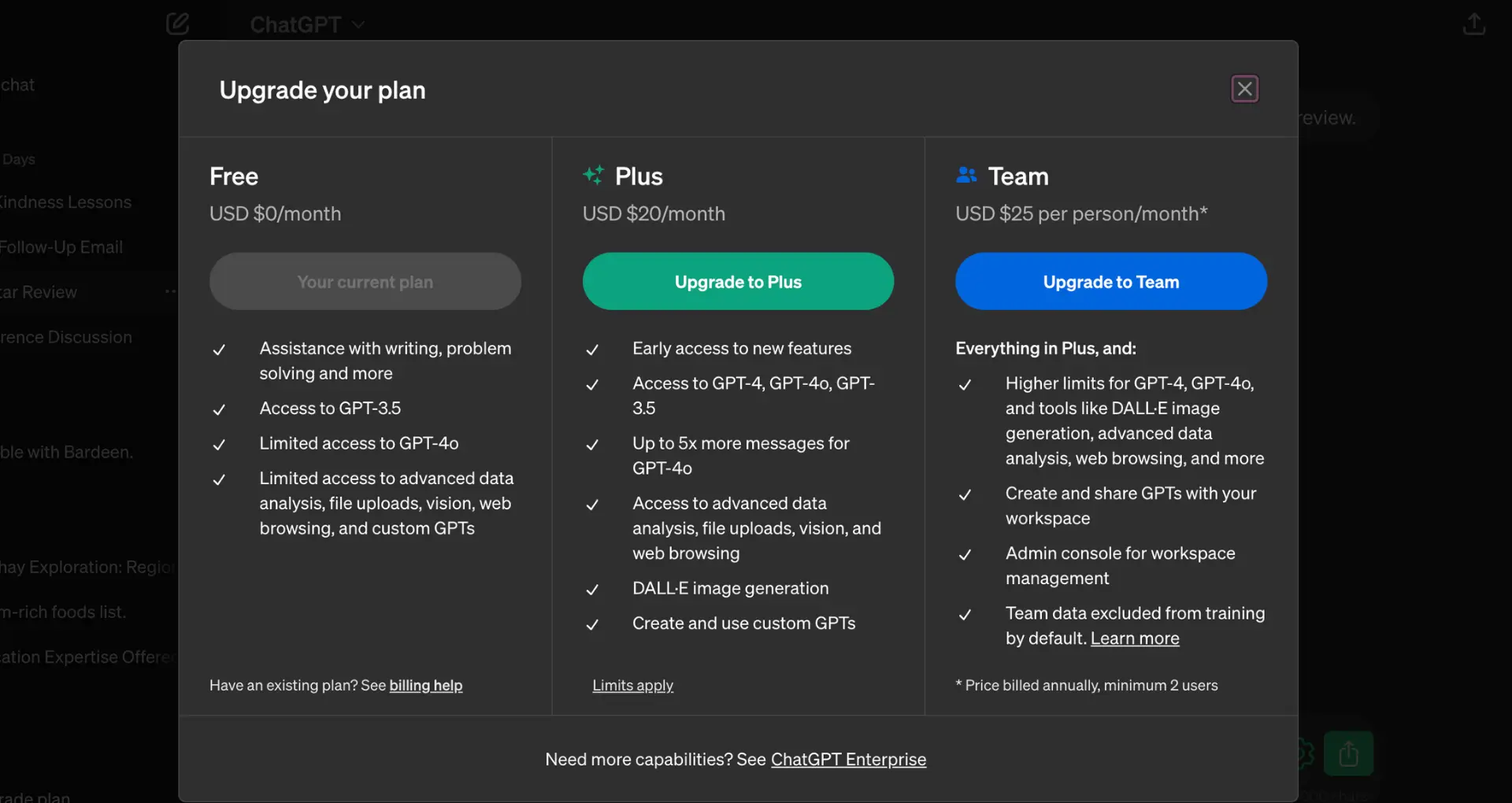
Targeting its most intensive users, OpenAI has launched a new $100-per-month ChatGPT subscription plan. This premium tier is designed to cater to professionals and organisations that require higher usage limits, faster response times, and access to advanced features, signalling OpenAI’s strategy to monetise its powerful AI models more aggressively [10]. This move follows the success of its existing subscription offerings and aims to capture a larger share of the enterprise market.
OpenAI’s financial outlook is remarkably optimistic. The company anticipates generating $2.5 billion in ad revenue this year alone, with an audacious projection of reaching $100 billion in total revenue by 2030 [11]. These figures underscore the immense commercial potential OpenAI sees in its AI technologies, driven by both direct subscriptions and broader applications of its models across various industries.

Stargate UK Data Centre Project on Hold
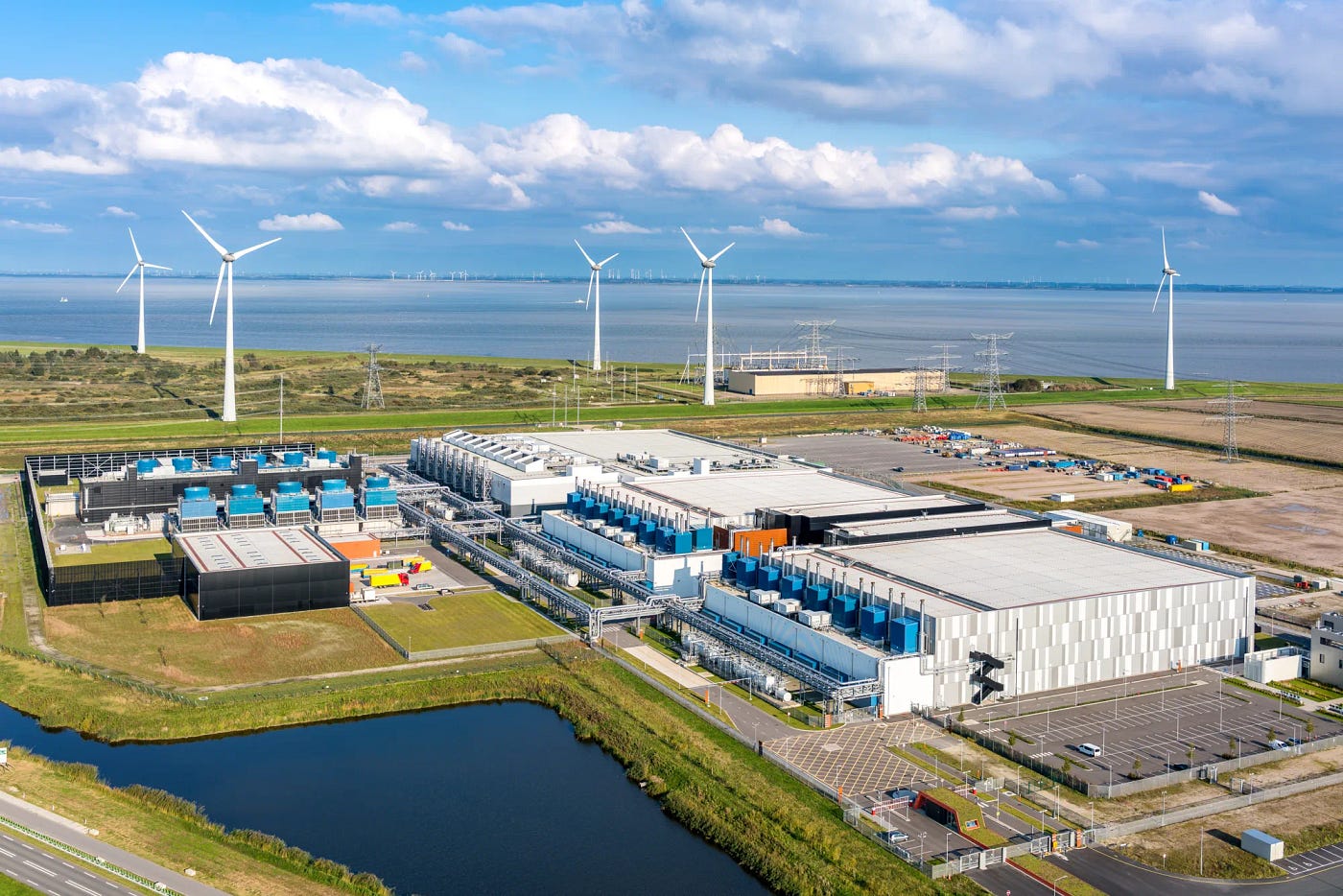
Despite its soaring financial aspirations, OpenAI has encountered hurdles in its infrastructure development. The company recently paused a multi-billion-pound data centre project in the United Kingdom, known as "Stargate UK" [14]. This ambitious project aimed to lease up to 8,000 advanced NVIDIA chips from Nscale, a London-headquartered data center firm, in the first quarter of 2026 [15].
The primary reasons cited for this decision include high energy costs and an unfavorable regulatory environment in Britain [16]. Specifically, the UK government’s decision to backtrack on proposals that would have allowed AI firms to use copyrighted content without an express opt-out from rights holders was a significant factor. The lack of clarity and slow delivery of promised "AI Growth Zones" also contributed to the uncertainty [17]. This setback highlights the significant challenges associated with scaling AI infrastructure, which demands substantial capital investment, reliable energy sources, and a supportive regulatory framework. The pause in the UK project underscores the global competition for resources and favorable conditions necessary to build and operate the next generation of AI supercomputing facilities.
Alibaba’s Push for AI Self-Reliance with Zhenwu Chips
In a strategic move to bolster technological independence and enhance its AI capabilities, Chinese e-commerce giant Alibaba has made significant investments in homegrown AI infrastructure. This initiative is a clear reflection of China’s broader national strategy to reduce reliance on foreign technology, particularly in the face of ongoing geopolitical tensions and export restrictions.
The Zhenwu AI Chip and Massive Data Centre Expansion
At the heart of Alibaba’s self-sufficiency drive is its proprietary "Zhenwu" AI chip, developed by its T-Head semiconductor unit [20]. These chips are designed for both AI training and inference, providing Alibaba with a vertically integrated solution for its vast AI operations. Reports, including those from Ant Group, suggest that the performance of these Chinese chips is comparable to NVIDIA’s offerings, a crucial development in the global AI chip race [21].
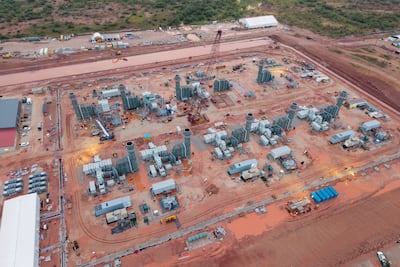
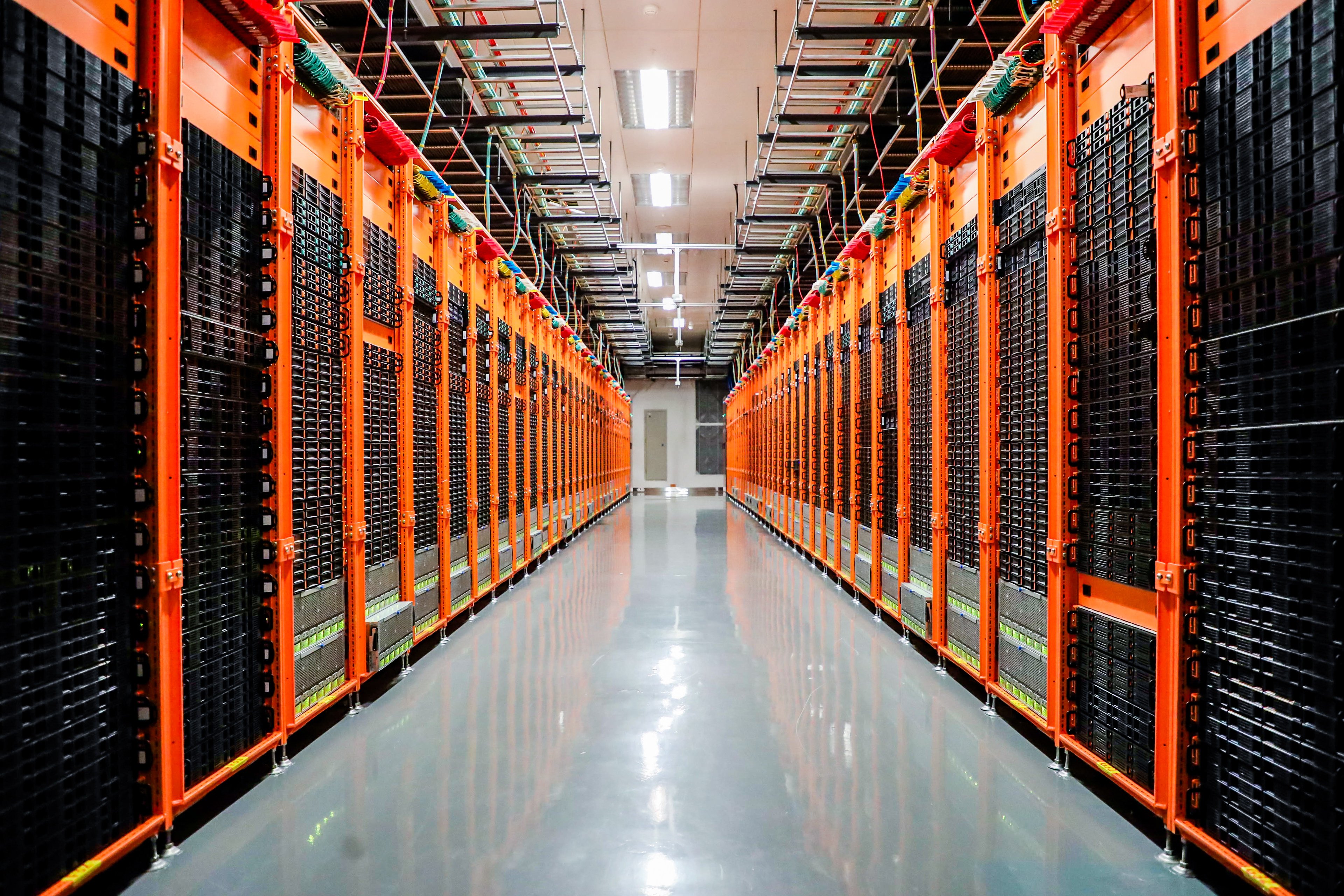
Alibaba has inaugurated a colossal new data center in Shaoguan, Guangdong province, powered by an initial deployment of 10,000 Zhenwu AI chips [22]. This "fully domestic" cluster is not merely an expansion of computing power; it represents a strategic asset in China’s quest for technological sovereignty. The company has ambitious plans to scale this data center to accommodate 100,000 Zhenwu chips in the future, signaling a massive commitment to building robust, domestically controlled AI infrastructure [23]. This expansion will enable Alibaba to run increasingly complex AI models at an unprecedented scale, supporting its diverse business operations, from cloud computing to e-commerce and logistics.

Implications for Global AI Competition
Alibaba’s investment in proprietary AI chips and large-scale data centres has significant implications for global AI competition. It underscores a growing trend among major economies to develop indigenous AI capabilities, driven by both economic and national security considerations. By reducing dependence on foreign hardware, China aims to insulate its AI industry from external pressures and foster a self-sustaining ecosystem of innovation. This strategic pivot is likely to intensify the global race for AI dominance, prompting other nations and tech giants to accelerate their own efforts in chip design and infrastructure development.
Conclusion
The recent developments surrounding Anthropic’s Mythos model, OpenAI’s financial strategies, and Alibaba’s AI infrastructure push collectively paint a vivid picture of an AI industry in flux. From the ethical dilemmas posed by powerful AI to the economic ambitions driving innovation and the geopolitical imperatives shaping technological sovereignty, these narratives highlight the multifaceted nature of AI’s impact on society. As AI continues to advance, the interplay between technological breakthroughs, regulatory frameworks, and international competition will undoubtedly define the future trajectory of this transformative technology.
FAQs
What is Anthropic’s "Mythos" model, and why is it controversial?
Anthropic’s "Mythos" is a new AI model with an exceptional ability to identify cybersecurity vulnerabilities, including zero-day exploits, across major operating systems and web browsers. It’s controversial because its immense power raises concerns about potential misuse if it falls into the wrong hands, leading to debates about whether it’s "too powerful to release." Anthropic is managing this risk through "Project Glasswing," restricting access to trusted entities for defensive purposes.
What are OpenAI’s revenue projections, and what is the new $100 ChatGPT tier?
OpenAI projects $2.5 billion in ad revenue this year and an ambitious $100 billion in total revenue by 2030. The new $100-per-month ChatGPT subscription plan is a premium tier aimed at heavy users, offering higher usage limits, faster responses, and advanced features.
Why did OpenAI pause its UK data centre project?
OpenAI paused its "Stargate UK" data center project due to high energy costs and an unfavorable regulatory environment in Britain, including issues with copyright rules and the slow development of "AI Growth Zones." Scaling AI infrastructure requires significant investment, reliable energy, and supportive regulations.
What are Alibaba’s "Zhenwu" AI chips, and what is their significance?
"Zhenwu" AI chips are Alibaba’s proprietary chips designed for AI training and inferencing, developed by its T-Head semiconductor unit. Their significance lies in Alibaba’s and China’s broader strategy to achieve technological self-reliance, reduce dependence on foreign hardware, and build robust, domestically controlled AI infrastructure, with performance reportedly comparable to NVIDIA’s offerings.
How does Alibaba’s AI infrastructure expansion impact global AI competition?
Alibaba’s investment in Zhenwu chips and massive data centers intensifies global AI competition by showcasing a major economy’s push for indigenous AI capabilities. This trend aims to insulate national AI industries from external pressures and foster self-sustaining innovation ecosystems, potentially accelerating similar efforts worldwide.
References
- Anthropic Claims Its New A.I. Model, Mythos, Is a Cybersecurity Reckoning. The New York Times. Link
- Anthropic’s latest AI model identifies ‘thousands of zero-day vulnerabilities’ in ‘every major operating system and every major web browser’. Tom’s Hardware. Link
- Claude Mythos: The System Card. Zvi Mowshowitz (Substack). Link
- Project Glasswing: Securing critical software for the AI era. Anthropic. Link
- US summons bank bosses over cyber risks from Anthropic’s latest AI model. The Guardian. Link
- Anthropic’s AI sparks concerns over a new national security risk. Politico. Link
- Claude Mythos: The System Card. Zvi Mowshowitz (Substack). Link
- AI Cybersecurity Threats 2026. DeepStrike. Link
- Everything You Need to Know About Claude Mythos. Vellum Blog. Link
- OpenAI just introduced a new $100 per month tier for ChatGPT. Twitter/X. Link
- OpenAI projects $2.5 billion in ad revenue this year, $100 billion by 2030. The Hindu. Link
- OpenAI Expected Revenue. App Economy Insights. Link
- OpenAI prepares new ChatGPT Pro Lite tier at $100 monthly. TechCrunch. Link
- OpenAI puts ‘Stargate UK’ on hold in blow to Britain’s AI ambitions. Politico EU. Link
- OpenAI puts ‘Stargate UK’ on hold in blow to Britain’s AI ambitions. Politico EU. Link
- OpenAI pauses UK data centre project over regulation, costs. Reuters. Link
- OpenAI puts ‘Stargate UK’ on hold in blow to Britain’s AI ambitions. Politico EU. Link
- OpenAI shelves Stargate UK in blow to Britain’s AI ambitions. The Guardian. Link
- Renewable energy is key to building the most sustainable data centers. Schneider Electric. Link
- Alibaba launches data center in China with its own AI chips. CNBC. Link
- As AI race with US intensifies, China’s Alibaba launches 10,000-card computing cluster. South China Morning Post. Link
- Alibaba launches AI data center in China using domestically developed chips. W.Media. Link
- As AI race with US intensifies, China’s Alibaba launches 10,000-card computing cluster. South China Morning Post. Link
- Alibaba Cloud Zhenwu Cluster at Shaoguan Datacenter. Alibaba Cloud. Link
- Alibaba launches AI Data Center Powered by 10,000 Homegrown Chips. TechRepublic. Link