
The global space race is no longer confined to superpowers and government agencies. A new era of private space exploration has dawned, and India is rapidly emerging as a formidable player. At the forefront of this revolution is Skyroot Aerospace, a pioneering startup that has earned the moniker of the "Indian SpaceX." With historic milestones, cutting-edge technology, and a vision to democratize space access, Skyroot is rewriting the narrative of India's space capabilities.

This comprehensive guide delves into the journey of Skyroot Aerospace, exploring its visionary founders, groundbreaking Vikram rocket series, significant achievements, and what the future holds for this trailblazing company.
The Genesis of Skyroot Aerospace
The story of Skyroot Aerospace begins with a shared vision between two former scientists from the Indian Space Research Organisation (ISRO): Pawan Kumar Chandana and Naga Bharath Daka. Both alumni of the prestigious Indian Institutes of Technology (IIT), they spent years at ISRO gaining invaluable hands-on experience in building, testing, and deploying mission-critical systems.

Driven by the ambition to make spaceflight as reliable, regular, and affordable as air travel, they founded Skyroot Aerospace in 2018. Their goal was clear: to build on-demand, cost-effective launch vehicles that could cater to the booming global small satellite market. The founders recognized that while ISRO had established India as a space power, the private sector was the key to unlocking the next level of agility and innovation.
Mission Prarambh: A Historic Milestone
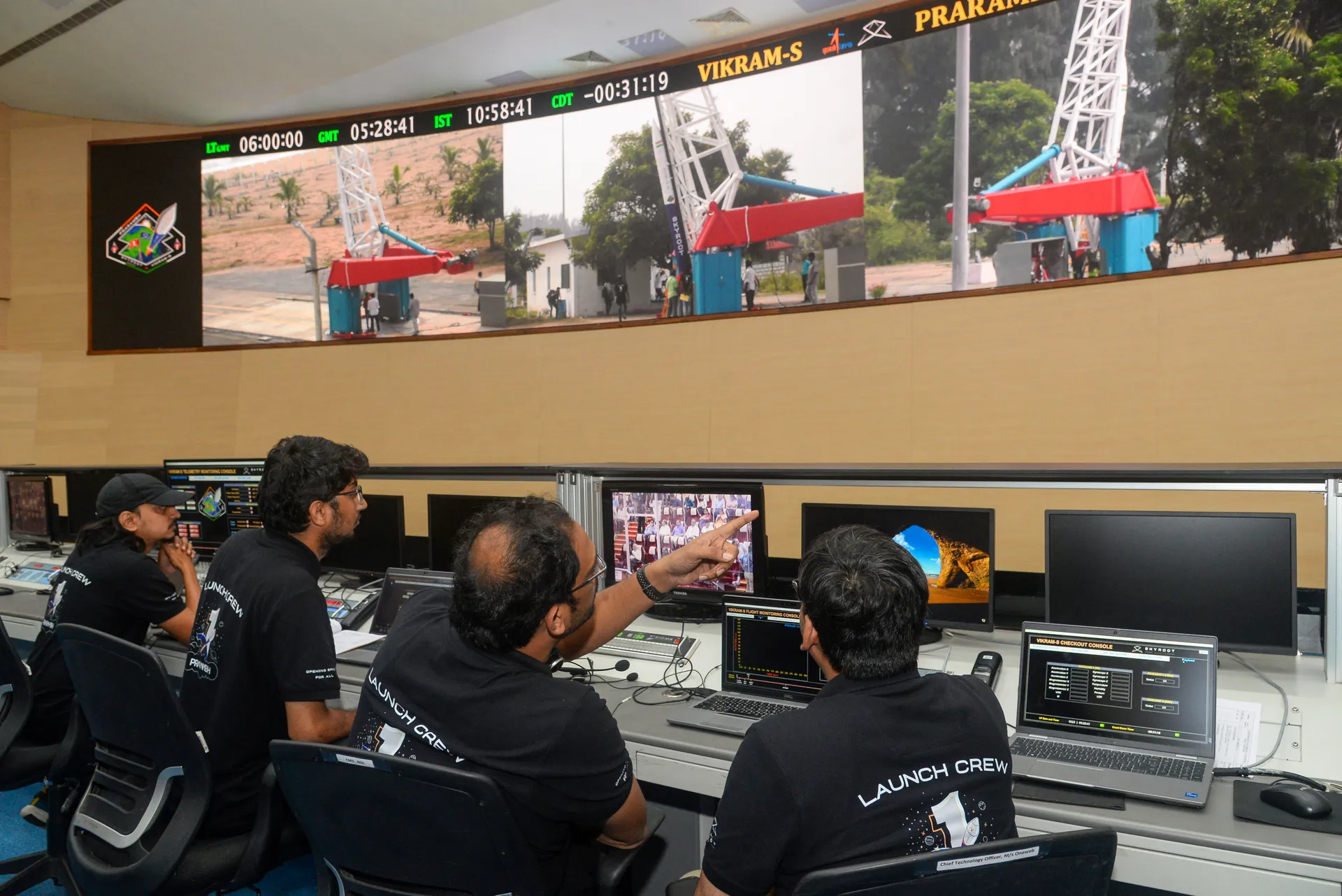
November 18, 2022, is a date etched in the annals of Indian space history. On this day, Skyroot Aerospace successfully launched the Vikram-S rocket from the Satish Dhawan Space Centre in Sriharikota. Codenamed "Mission Prarambh" (meaning "beginning" in Sanskrit), this launch marked the first time a private Indian company had sent a rocket into space.
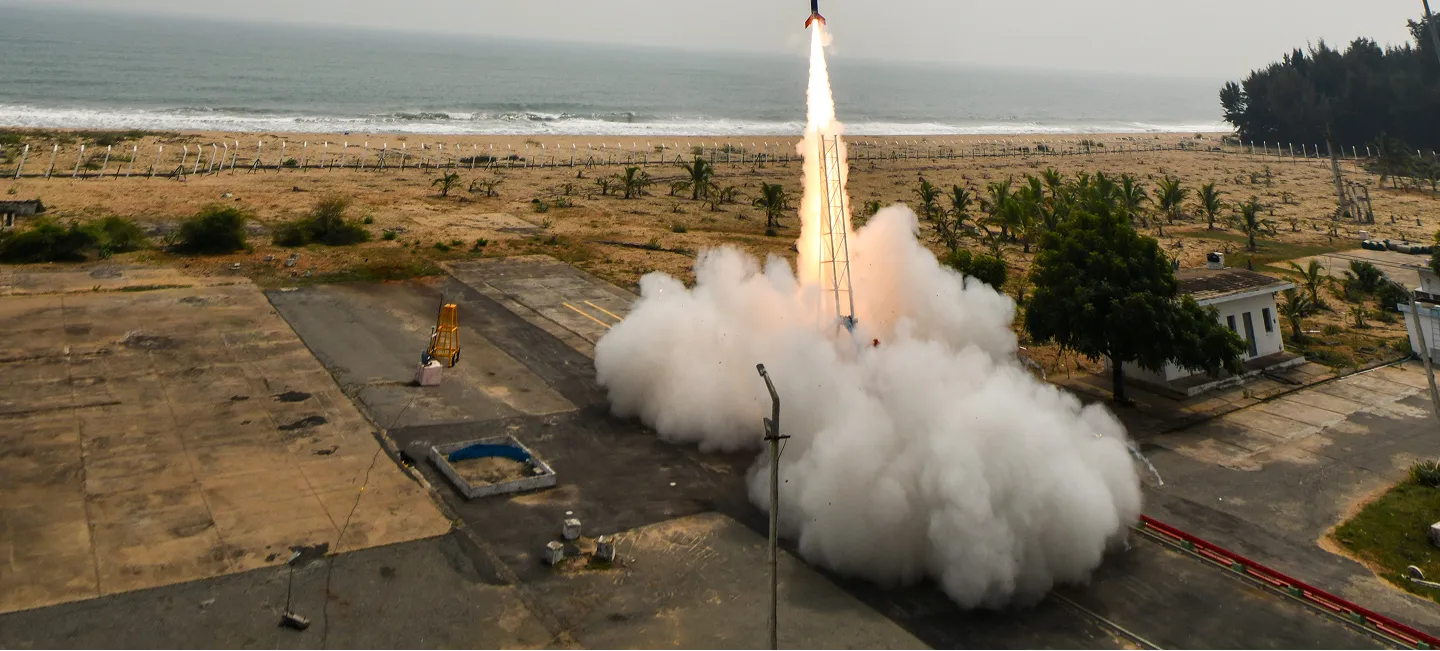
The Vikram-S, a single-stage suborbital launch vehicle, was a technological marvel. It featured an all-carbon composite structure and was powered by solid fuel. The rocket reached a peak altitude of 89.5 kilometers, successfully validating the avionics, telemetry, tracking, and inertial measurement systems that would be used in Skyroot's future orbital vehicles.
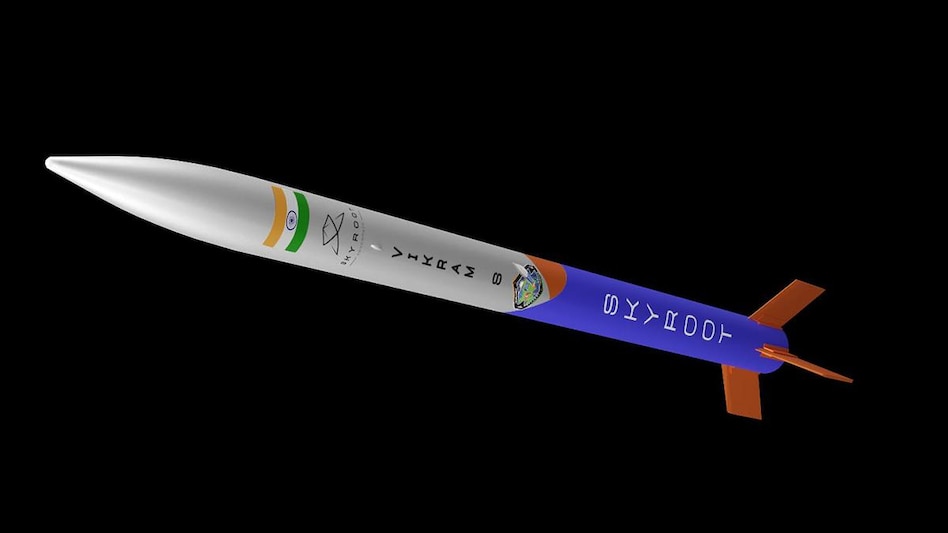
This historic achievement not only proved Skyroot's technical prowess but also signaled the opening of India's space sector to private enterprise, a move heavily supported by the Indian government's recent policy reforms.
The Vikram Rocket Series: Engineering the Future
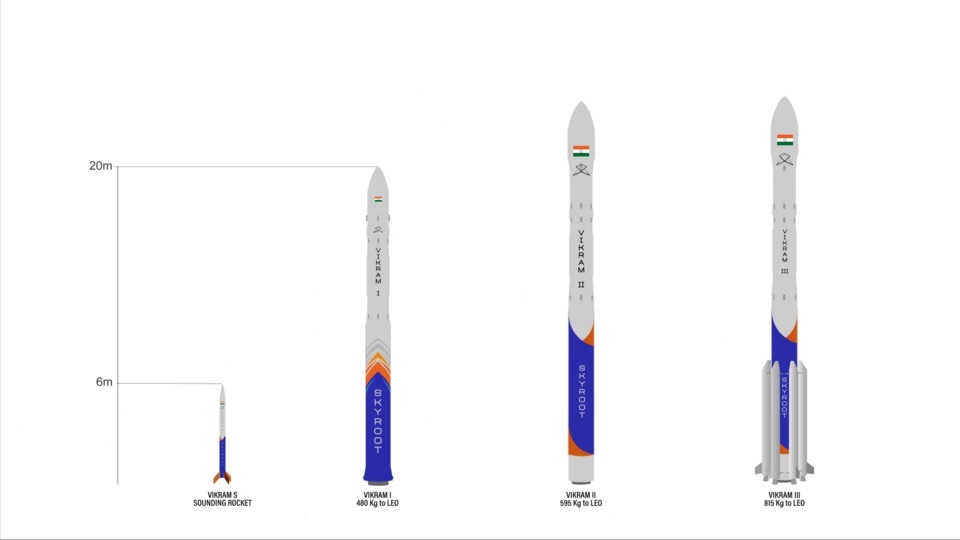
Skyroot's flagship offering is the Vikram series of launch vehicles, named in honor of Dr. Vikram Sarabhai, the father of the Indian space program. The series is designed to be highly modular, cost-effective, and capable of rapid assembly and launch.
Vikram-1: The Orbital Pioneer
The Vikram-1 is Skyroot's first orbital launch vehicle, designed specifically for the small satellite market. It is a multi-stage rocket that combines solid and liquid propulsion systems.
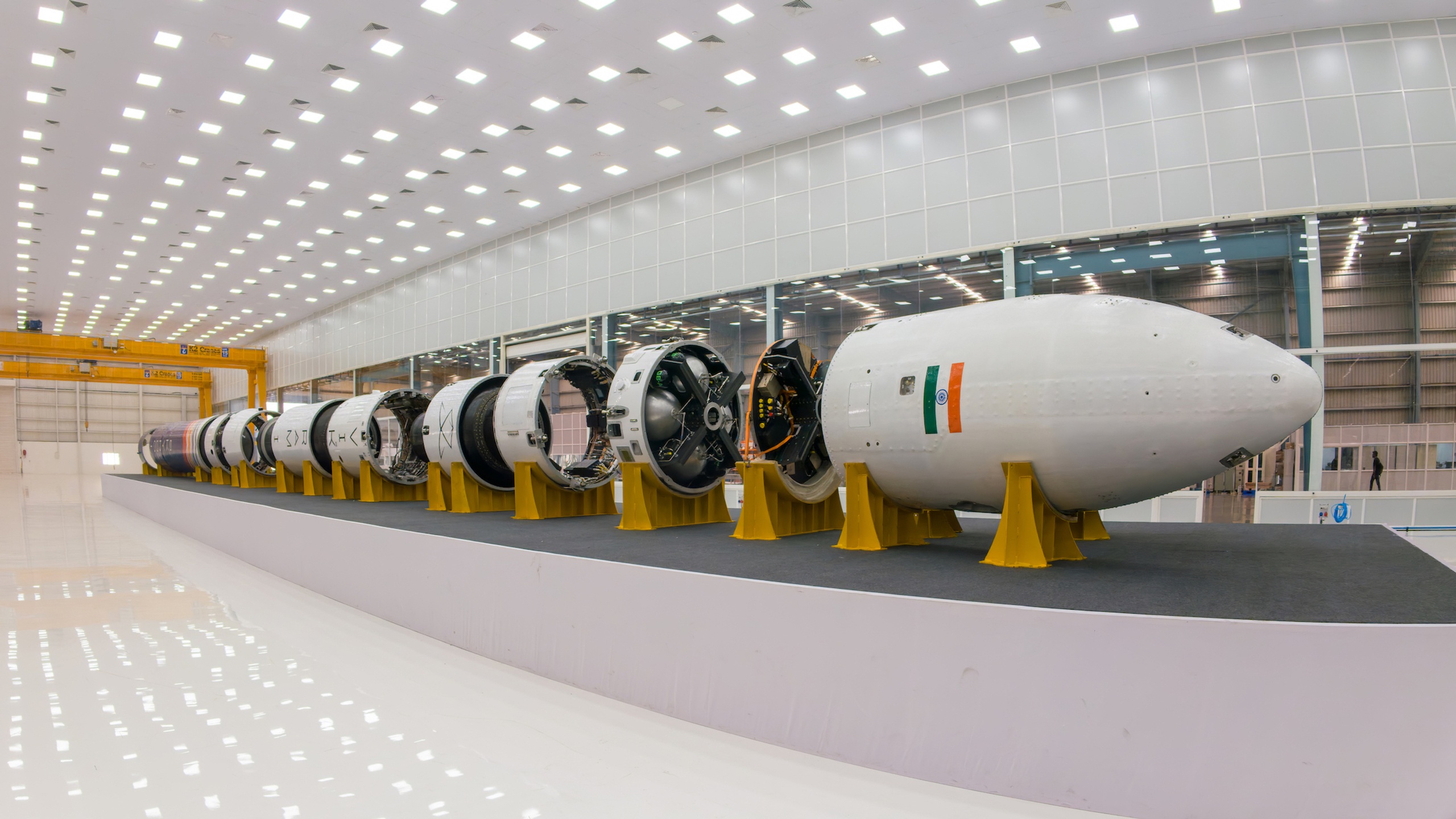
Key features of the Vikram-1 include:
- Payload Capacity: Capable of carrying up to 350 kg to Low Earth Orbit (LEO) and 260 kg to Sun-Synchronous Orbit (SSO).
- Advanced Materials: Utilizes an all-carbon composite structure, making it significantly lighter and more efficient than traditional metal rockets.
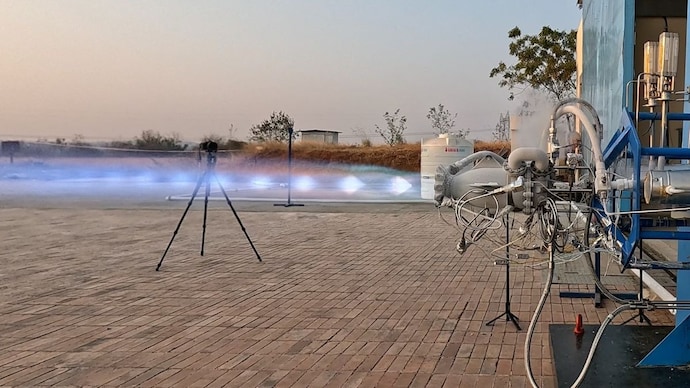
- 3D-Printed Engines: The upper stage is powered by the Raman engine, a 3D-printed liquid-fueled engine that allows for multiple restarts in space.

The Vikram-1 is slated for its debut launch in 2026, a highly anticipated event that will solidify Skyroot's position as a commercial launch provider.
Vikram-2 and Beyond
Looking ahead, Skyroot is developing the Vikram-2, which will feature an advanced cryogenic engine (the Dhawan series) to offer greater payload capacity and multi-orbit agility. The Vikram-2 aims to carry up to 900 kg to LEO.
The Infinity Campus: A Hub of Innovation
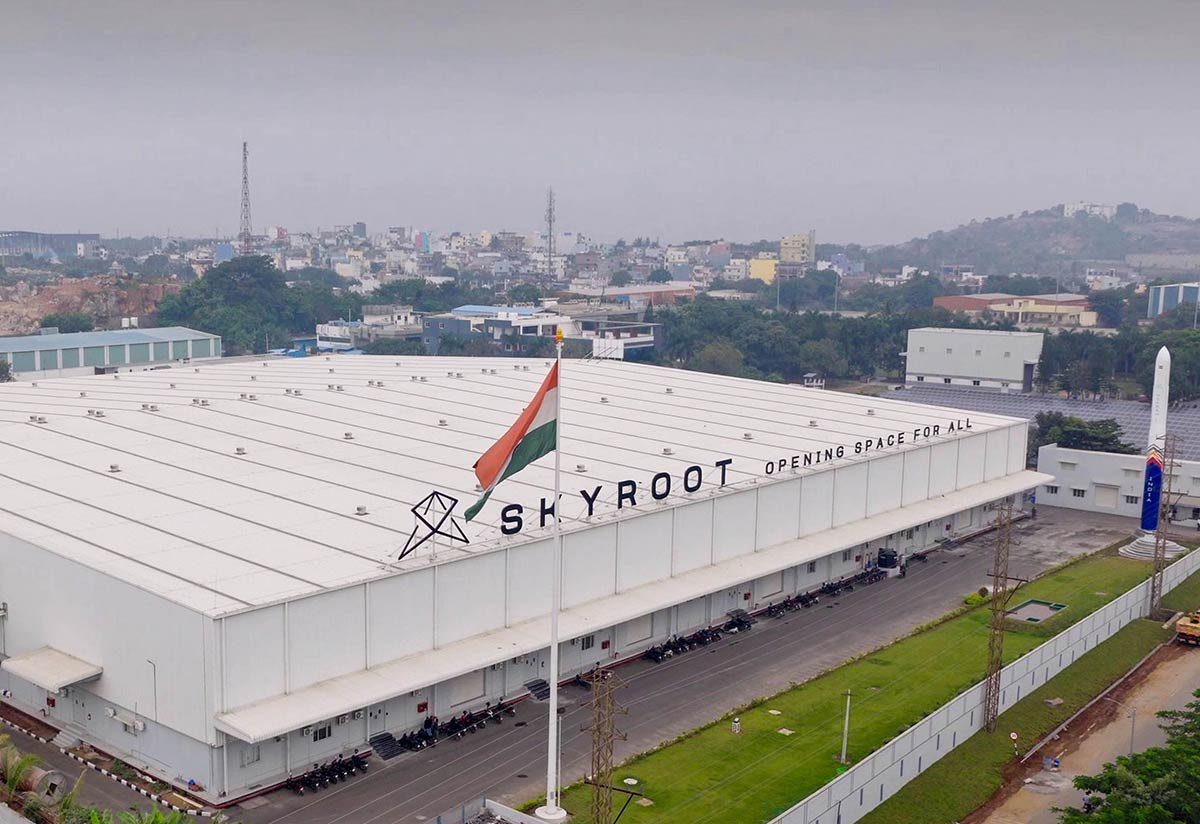
To support its ambitious goals, Skyroot Aerospace has established the "Infinity Campus" in Hyderabad. Inaugurated by Prime Minister Narendra Modi, this state-of-the-art facility is one of the largest private rocket development centers in India.

The campus houses advanced manufacturing capabilities, including large-scale 3D printing, composite curing ovens, and extensive testing infrastructure.
Funding and Investor Confidence
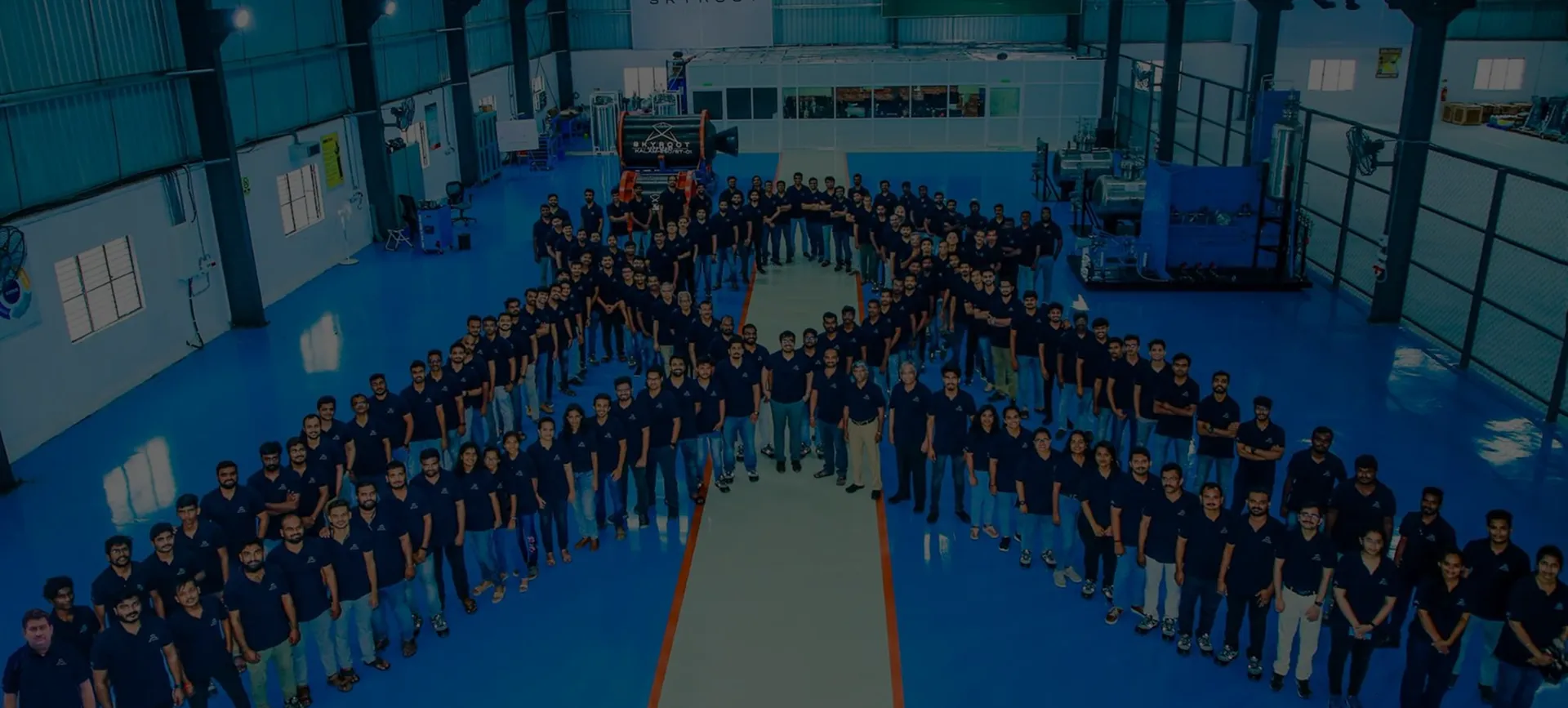
Skyroot's vision and technical achievements have garnered significant attention from the global investment community. The company has successfully raised substantial capital to fuel its research, development, and expansion.
In a landmark Series-B funding round, Skyroot raised $51 million, led by GIC. More recently, reports indicate that Skyroot is eyeing a massive $150–200 million raise, which could propel the company to unicorn status.
Why Skyroot is the "Indian SpaceX"
The comparison between Skyroot Aerospace and SpaceX is well-founded. Both companies share a fundamental ethos: disrupting the traditional aerospace industry through innovation and cost reduction.
- Private Sector Pioneering: Skyroot has broken the monopoly of government agencies in India.
- Technological Innovation: Use of 3D printing and carbon composites.
- Visionary Leadership: Relentless drive and technical acumen.
- Focus on Reusability: Long-term roadmap includes reusable technologies.
The Future of Indian Spaceflight
The rise of Skyroot Aerospace is a testament to the immense potential of India's private space sector. As Skyroot prepares for the orbital launch of Vikram-1, the world is watching. The success of this mission will cement India's status as a global hub for space technology.
Frequently Asked Questions (FAQs)
What is Skyroot Aerospace?
Skyroot Aerospace is a private Indian aerospace manufacturer and commercial launch service provider headquartered in Hyderabad. It is the first private Indian company to successfully launch a rocket into space.
Who are the founders of Skyroot Aerospace?
The company was founded in 2018 by Pawan Kumar Chandana and Naga Bharath Daka, both former scientists at ISRO.
What was Mission Prarambh?
Mission Prarambh was Skyroot's historic first mission in November 2022, involving the successful launch of the Vikram-S suborbital rocket.
References
- Skyroot Aerospace Official Website. https://skyroot.in/
- "Skyroot Makes History With Launch Of India's First Privately Built Rocket Vikram-S." Inc42. Source
- "Being an entrepreneur is far more fulfilling: Pawan Kumar Chandana." Forbes India. Source
- "PM Modi Inaugurates Skyroot’s Infinity Campus." The Economic Times. Source